LFP cell architecture
Thermal stability, predictable cycle behavior, and pack-level BMS communication are presented in plain engineering terms.
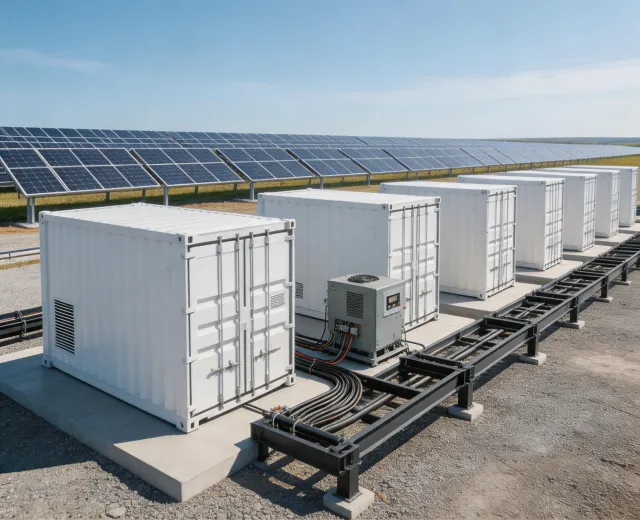
Eve Energy supplies disciplined LFP battery modules, rack systems, and project-ready storage documentation for solar developers, EPC teams, and industrial energy buyers that need clear specifications without inflated claims.
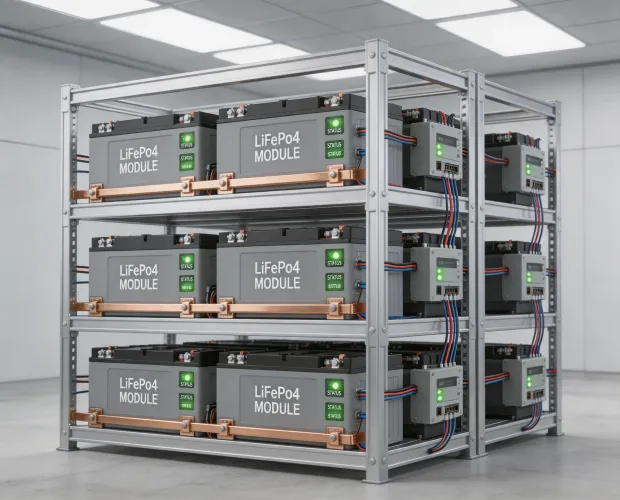
Thermal stability, predictable cycle behavior, and pack-level BMS communication are presented in plain engineering terms.
Datasheets reference usable capacity, C-rate windows, round-trip efficiency, isolation, and protection coordination inputs.
Modules, racks, cabinets, and containerized options are matched to transport, installation, and commissioning constraints.
Warranty language uses defined cycles, depth of discharge, and end-of-life retention instead of vague lifetime promises.
Every line is organized for renewable energy projects where installation schedule, safety file, and after-sales traceability matter as much as nameplate capacity.
Cell-to-module assemblies for rack integration, backup systems, and commercial storage cabinets.
Nominal / usable capacity worksheets available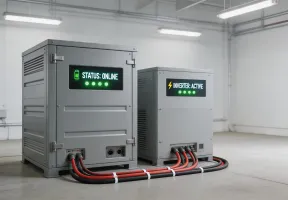
Indoor and outdoor cabinet platforms for demand charge management, PV self-consumption, and backup loads.
HVAC, BMS, and fire interface notes included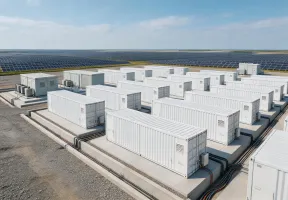
Containerized storage blocks configured around grid connection, augmentation planning, and service access.
IEC and transport document package availableThese indicators are framed as operating targets and documentation checkpoints, not unverifiable guarantees.
Cycle dataset coverage for standard LFP module quotations.
Export packet completeness before booking shipment windows.
Common inverter and EMS signal tables prepared for review.
Typical first engineering response window for qualified projects.
Eve Energy will return a concise storage package outline covering module format, cabinet or container path, documentation needs, and commercial next steps.